This site explains how road freight transport and warehouse logistics work in practice: how cargo is planned, loaded, carried, stored and handed over. It also describes the work of VESTLAND TRANSPORT OG LOGISTIKK AS in western Norway.
Contact details
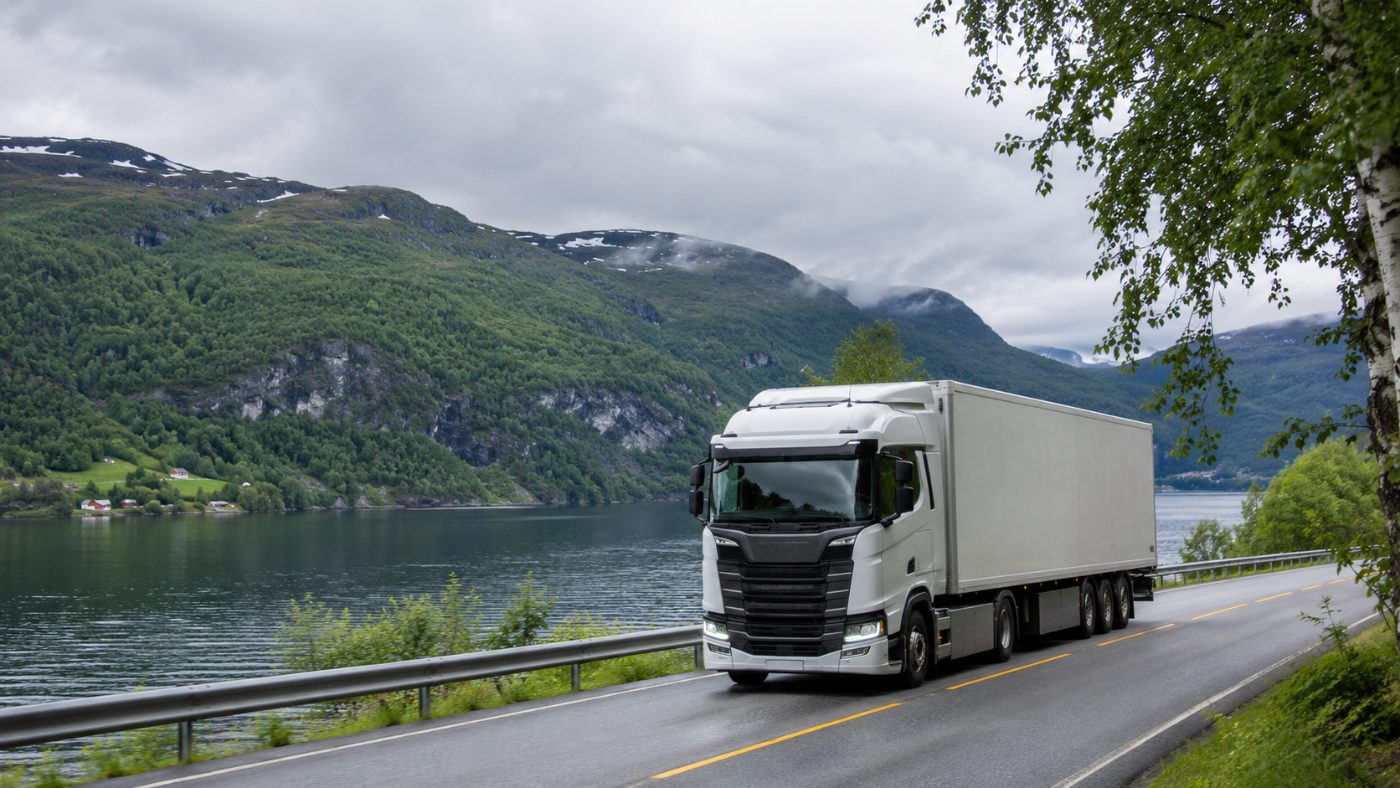
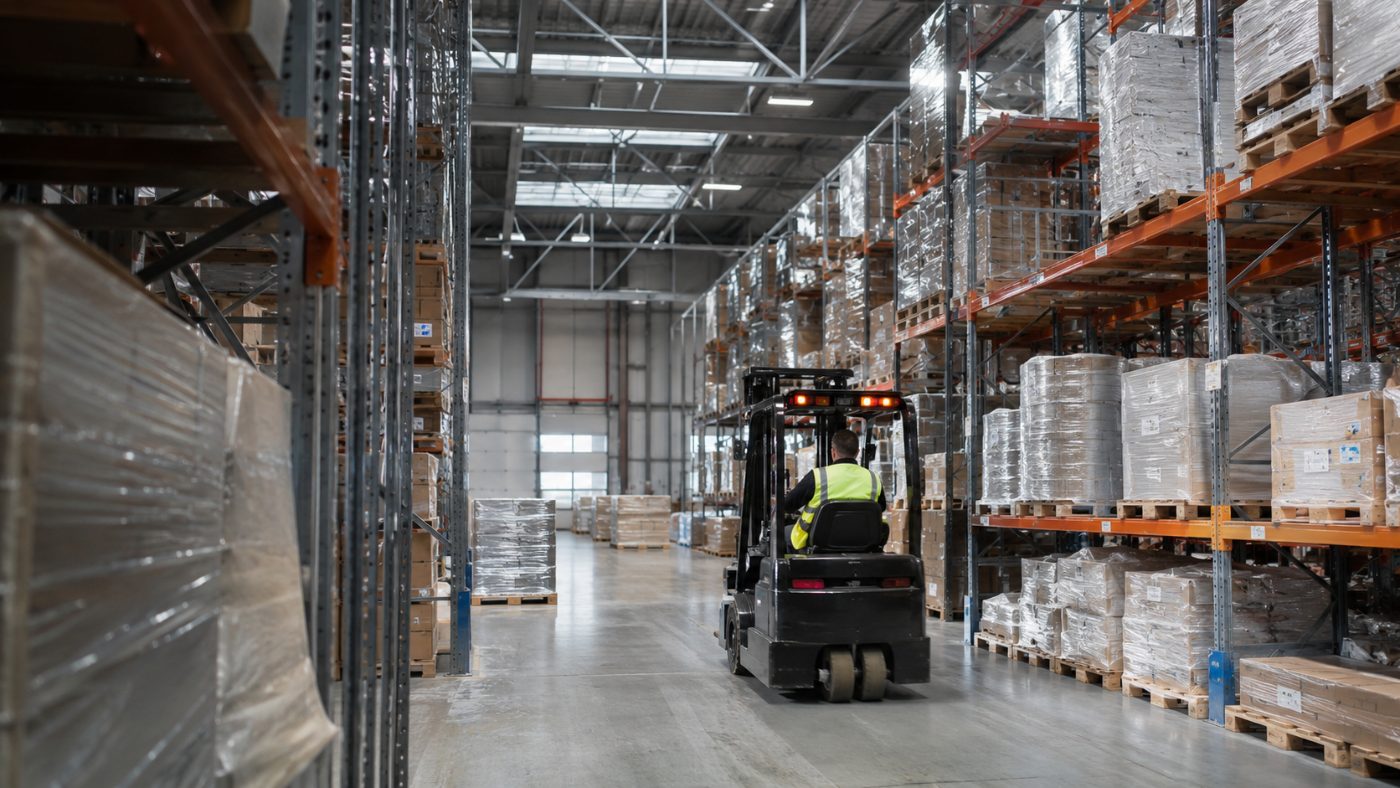
VESTLAND TRANSPORT OG LOGISTIKK AS was registered on 11 January 2017 and is based in Bergen. The company works with domestic road freight and with the storage and handling of goods in warehouse facilities.
Its work covers the practical side of logistics: arranging pickups, carrying pallets and general cargo, receiving goods into storage, keeping stock records and preparing shipments for onward delivery.
Organisation: VESTLAND TRANSPORT OG LOGISTIKK AS
Organisasjonsnummer: 918 492 714
Registered: 11.01.2017
Address: Damsgårdsveien 112, 5058 Bergen, Norway
Road transport is the most flexible way to move goods over short and medium distances. A lorry can collect directly from a sender's door and deliver to the receiver without transfers. The type of vehicle and load depends on the size, weight and nature of the cargo.
When a shipment fills an entire trailer, the vehicle travels directly from sender to receiver. This is common for larger volumes of one product.
Smaller shipments from several customers can share one vehicle. Goods are combined on a route and dropped off at each address in turn.
Most goods are carried on standard pallets. They are secured with straps and load bars so they stay in place on mountain roads and ferry crossings.
A warehouse is more than a place to keep goods. It is where incoming cargo is checked, registered, stored in a set location and later picked and packed for dispatch. Good order in the warehouse reduces errors and damage.
Most transport and storage assignments follow a similar sequence. Each step has its own documents and checks.
The sender describes the goods, quantity, weight and addresses. A route and vehicle are chosen.
The driver collects the cargo, checks it against the consignment note and secures the load.
Goods are carried directly to the receiver or taken into the warehouse for a period.
The receiver checks the delivery and signs. Any visible damage is noted on the spot.
Freight transport in Norway takes place on narrow roads, in tunnels, on ferries and in changing weather. Safe routines matter for drivers, warehouse staff and other road users.
Drivers follow the rules on driving and rest periods, and plan routes with winter conditions and ferry timetables in mind.
Cargo is secured according to its weight and shape, so it does not move during braking or on steep roads.
Brakes, tyres, lights and chains are checked regularly, with extra attention during the winter season.
Clear walkways, marked zones and trained forklift operators help prevent accidents indoors.
Vestland is a county of fjords, islands and mountain passes. Many deliveries combine road sections with ferry crossings, and travel times can vary with the season. Bergen, with its port and road connections, is a natural point for gathering and distributing goods in the region.
Because of these conditions, local knowledge of roads, tunnels and ferry routes is an important part of planning transport here. Warehousing close to the city also makes it possible to store goods near where they will be used.
For questions about transport or warehousing, please contact the company by email or phone. Written enquiries should include a short description of the goods and the addresses involved.